Yorkshire Ear Health
1 in 5 adults in the UK are affected by hearing loss. With increased use of headphones, widespread use of cottonbuds and the absence of preventative ear care, this figure is set to rise. Whether loss is temporary or permanent, it’s impact is everywhere.
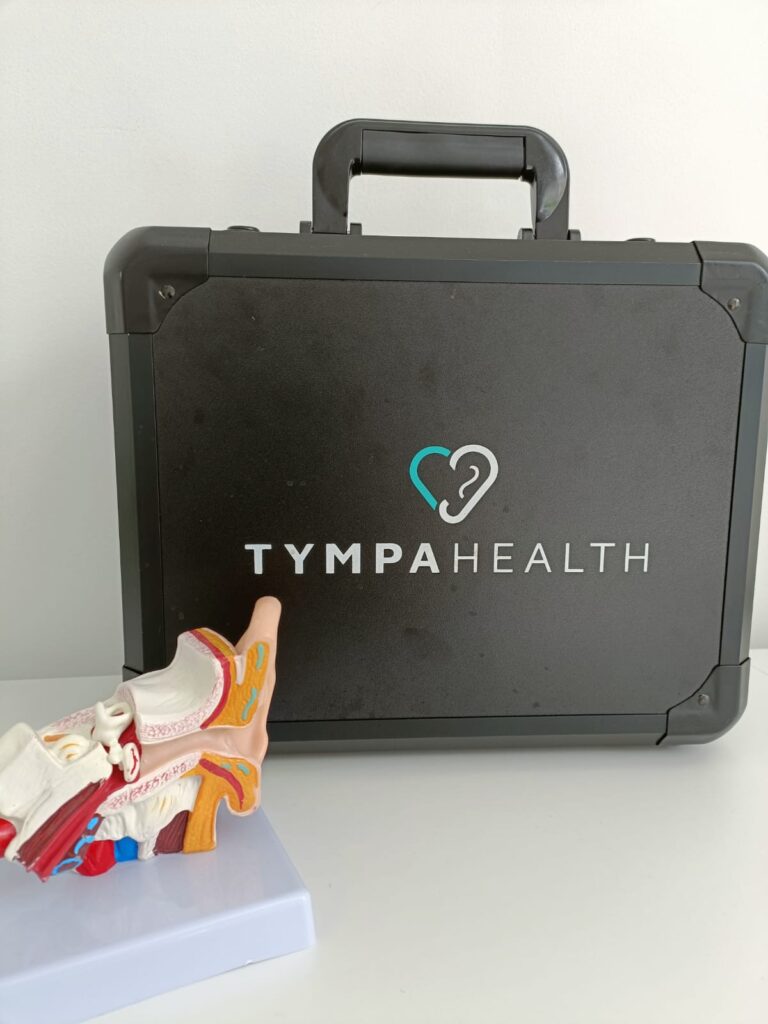
Helena is a qualified ear care practitioner, and has completed a course with TympaHealth which is accredited by The British Society of Audiology (BSA) and The British Society of Hearing Aid Audiologists (BSHAA). As an Accredited Tympa User, Helena is qualified to perform otoscopy and microsuction wax removal on patients over 18 years of age at Yorkshire Ear Health.
Know the Signs
There are a range of signs which could indicate an ear or hearing problem:
Loss of Hearing
Earache
Discomfort
Discharge
Ears feeling full
Ringing
Itching
Loss of balance
Dizziness
Coughing
Turning up the volume
Moving closer to those talking
Asking people to repeat themselves
Concentrating harder than normal to listen
Loss of Hearing
Earache
Discomfort
Discharge
Ears feeling full
Ringing
Itching
Loss of balance
Dizziness
Coughing
Turning up the volume
Moving closer to those talking
Asking people to repeat themselves
Concentrating harder than normal to listen
These can be signs that a change has occurred in your ears and they should be checked. Helena is a qualified ear care practitioner, and has completed a course with TympaHealth which is accredited by The British Society of Audiology (BSA) and The British Society of Hearing Aid Audiologists (BSHAA). As an Accredited Tympa User, Helena is qualified to perform otoscopy and microsuction wax removal on patients over 18 years of age at Yorkshire Ear Health.
A little bit about
Yorkshire Ear Health
Preventative Care
Ear wax build up can lead to surprising outcomes in mood and functioning of the brain itself. Good ear and hearing health is important to people of all ages and helps us to get the most out of life, if our ability to hear deteriorates it requires more energy to listen and participate in daily life so we become tired and in some cases, socially withdrawn.
Although all ages can be affected, studies have linked hearing loss with cognitive decline and dementia. Unaddressed mid-life hearing loss is the most significant risk factor being responsible for 9.1% of people developing dementia.
- Mild hearing loss – doubles the risk
- Moderate hearing loss – triples the risk
- Severe hearing loss – increases the risk of developing dementia fivefold
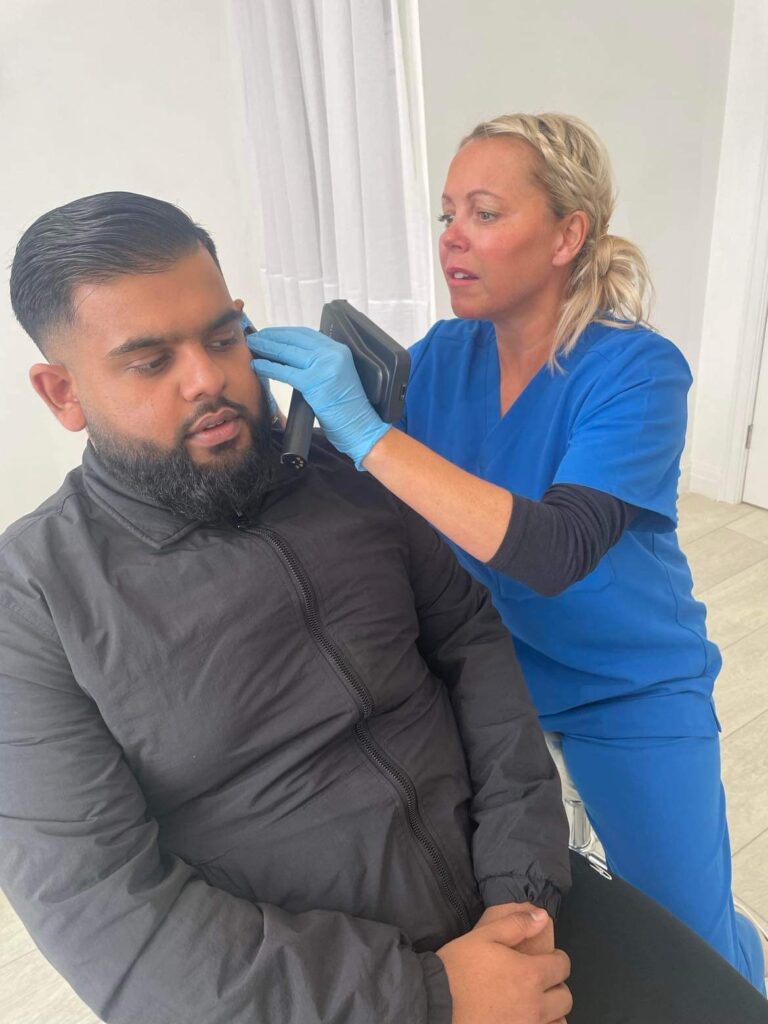
How Do You Remove The Wax?
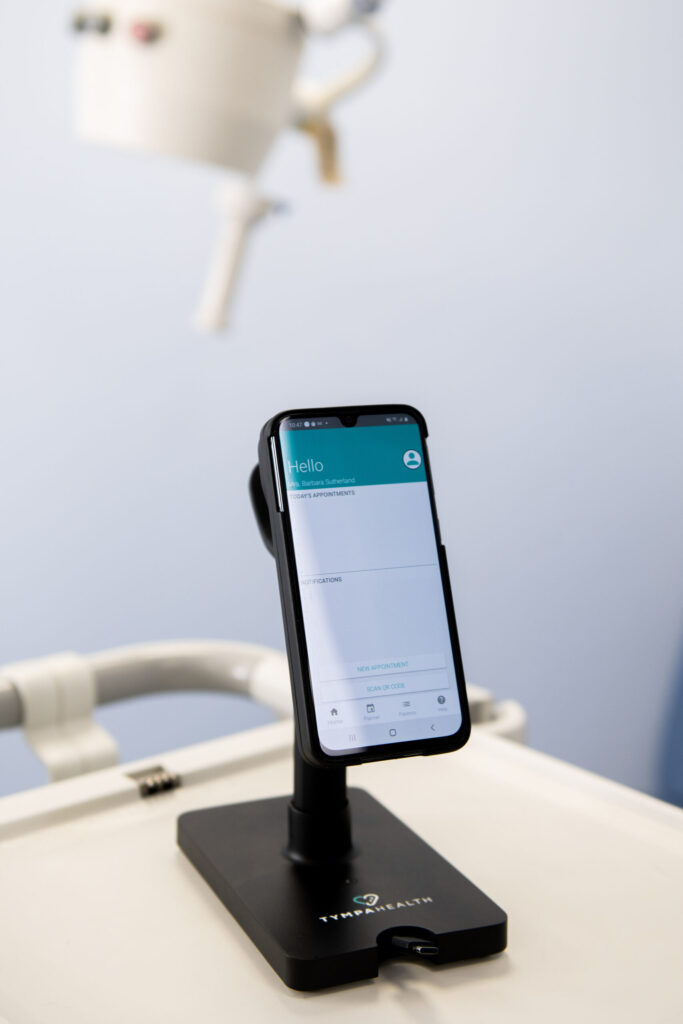
Using a procedure called microsuction, this high-precision instrument, gently vacuums your ear canal. It removes your excess ear wax cleanly and safely, without causing any damage to the sensitive ear canal and ear drum.
It is important to have ear wax, essential in fact! Everybody produces ear wax, it keeps the ear canal lubricated and protects the ear against dust, dirt and bacteria which help prevent infection. Wax is a combination of skin cells, dust and oily secretions from the glands in the ear canal, sometimes wax may build up particularly if it is very dry, a person has narrow ear canals or very hairy ears but also if something has pushed it down into the canal such as a cotton bud or hearing aid. Once ear wax has served its purpose it eventually migrates to the surface, dries up and falls out of the ears without us even knowing. The issues arise when the wax becomes impacted as the normal transit is interrupted, and this can cause numerous problems.
Don't Forget Your Ears!
Whilst it is common for certain people to attend routine health check-ups such as eye and teeth procedures on a regular basis, our ears are often left forgotten. This should not be the case. Hearing loss has huge social implications on our quality of life. Hearing loss, if left untreated, can lead to increased risk of falls, social isolation, and is also known to be the single largest modifiable risk factor for dementia.
Traditionally, ear wax is removed by ‘syringing’, which means water is forced into your ear canal to clear the wax. Microsuction is much cleaner and safer than syringing. Water irrigation can lead to bleeding and soreness from the pressure of the water. When it goes badly wrong, syringing can perforate your ear drum, lead to tinnitus or hearing loss. Whereas microsuction is safe even if you’ve had a perforated ear drum in the past. While we’re doing your microsuction, we get a close-up view right inside your ear canal – and we can see exactly what we’re doing.
Why Hearing Health Matters
Good ear and hearing health is important to people of all ages and helps us to get the most out of life. When our ability to hear deteriorates it requires more energy for us to listen and participate in daily life, which can lead to becoming socially isolated as people find it harder to engage with loved ones.
If you'd like to get in touch...
Have a query?
Get in touch so that we can answer any questions you may have regarding treatments offered by Yorkshire Ear Health, or complete your booking using the form.
- OUR LOCATION
19a Bridgegate, Howden, Goole, DN14 7AE
- CONTACT
Email: hello@hbaestheticsandwellness.clinic
Clinic Opening Hours
Sunday & Monday
CLOSED
Tuesday
9am-6pm
Wednesday
9am-8pm
Thursday
9am-6pm
Friday
On request
Saturday
On request